Talk To Anthony - Call (951) 202-2303

What Not to Fix Before Selling Your House
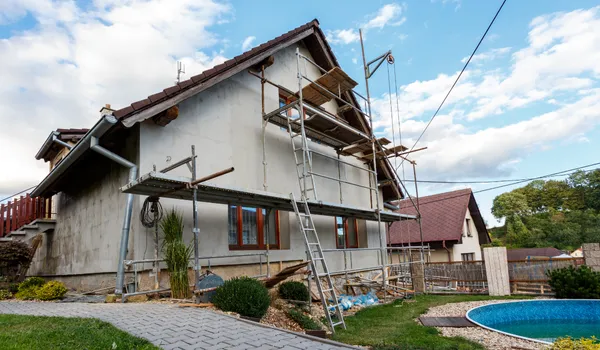
Selling a home can feel like walking a fine line—wanting to make a strong return on your investment without pouring money into unnecessary repairs. If you’ve lived in your home for several years, it’s likely accumulated some wear and tear. But here’s the good news: you don’t have to fix everything to sell successfully.
Here’s what not to fix before putting your home on the market:
✅ Skip These Major Renovations
Large-scale renovations often don't pay off when selling. Most big projects only recover about 50–80% of their cost at resale—and they can delay your listing.
Avoid investing in:
• Full kitchen remodels
• Bathroom renovations
• Basement finishing
• Room additions like sunrooms or decks
• Converting attic space into living areas
✅ Cosmetic Flaws That Don’t Affect Function
Buyers typically expect to personalize their new home, so don’t stress over small cosmetic imperfections. Focus your efforts where it counts and let these slide:
• Nail holes or small wall dings
• Outdated paint in lesser-used rooms
• Light carpet wear in low-traffic areas
• Working light fixtures that aren’t trendy
• Outdated but functional cabinet hardware
• Minor floor scratches
✅ Functional But Dated Features
Items that still work—even if they’re not on-trend—usually don’t need replacing. Buyers are often willing to make style updates later, especially if it means getting a home at a better price.
Examples include:
• Honey oak cabinets that are still in great shape
• Older countertops that are clean and undamaged
• Bathroom tile with no structural issues
✅ Minor Electrical Issues
Small electrical quirks aren’t typically deal-breakers. While anything posing a safety hazard should be addressed, cosmetic or low-impact issues can usually wait.
Think:
• Light switches placed in unusual spots
• Non-matching outlet covers
• Lack of dimmer switches or smart upgrades
✅ Partial Renovations
Updating part of a room or feature—while leaving the rest untouched—can create an unbalanced look. It’s better to keep everything consistent than to highlight what hasn’t been updated.
For example:
• Replacing only one bathroom in a multi-bathroom home
• Updating some but not all kitchen appliances
✅ Minor Plumbing Quirks
Not every slow drain or dripping faucet needs immediate repair. If the issues aren’t signs of something bigger, they’re usually considered minor and won’t impact your sale significantly.
✅ Costly Landscaping Projects
A well-kept yard boosts curb appeal, but elaborate landscaping upgrades rarely pay off. Buyers often want to put their own stamp on the outdoor space anyway.
Stick with:
• Fresh mulch
• Mowed lawn
• Trimmed bushes
• Basic clean-up and weed removal
✅ Old but Working Appliances
As long as your appliances work properly, they don’t need to be the latest models. Buyers generally appreciate that functional appliances are included—even if they’re not stainless steel or smart-enabled.
✅ Minor Exterior Wear
Normal exterior aging is expected. Things like small cracks in concrete, slightly faded trim, or weathered shutters don’t usually require major investment.
🔧 What You Should Fix
Some issues are too serious to ignore. These can show up during inspections and potentially delay or derail your sale. Always address:
• Active water leaks or damage
• Foundation or structural problems
• Roof issues
• Electrical safety concerns
• HVAC or gas line problems
• Broken or unsecured windows/doors
• Major plumbing problems (e.g., sewer line issues)
• Pest infestations
• Mold or air quality issues
• Unpermitted work or code violations
Knowing what not to fix can save you time and money. Focus on repairs that impact safety, functionality, or major systems—and let the next owner handle cosmetic changes. Smart, strategic preparation is the key to a smooth sale and a solid return.
Get In Touch
(951) 202-2303
2514 S. Hacienda Blvd. Ste. A
Hacienda Heights, Ca 91745
Meet Your Agent

Anthony Solomon